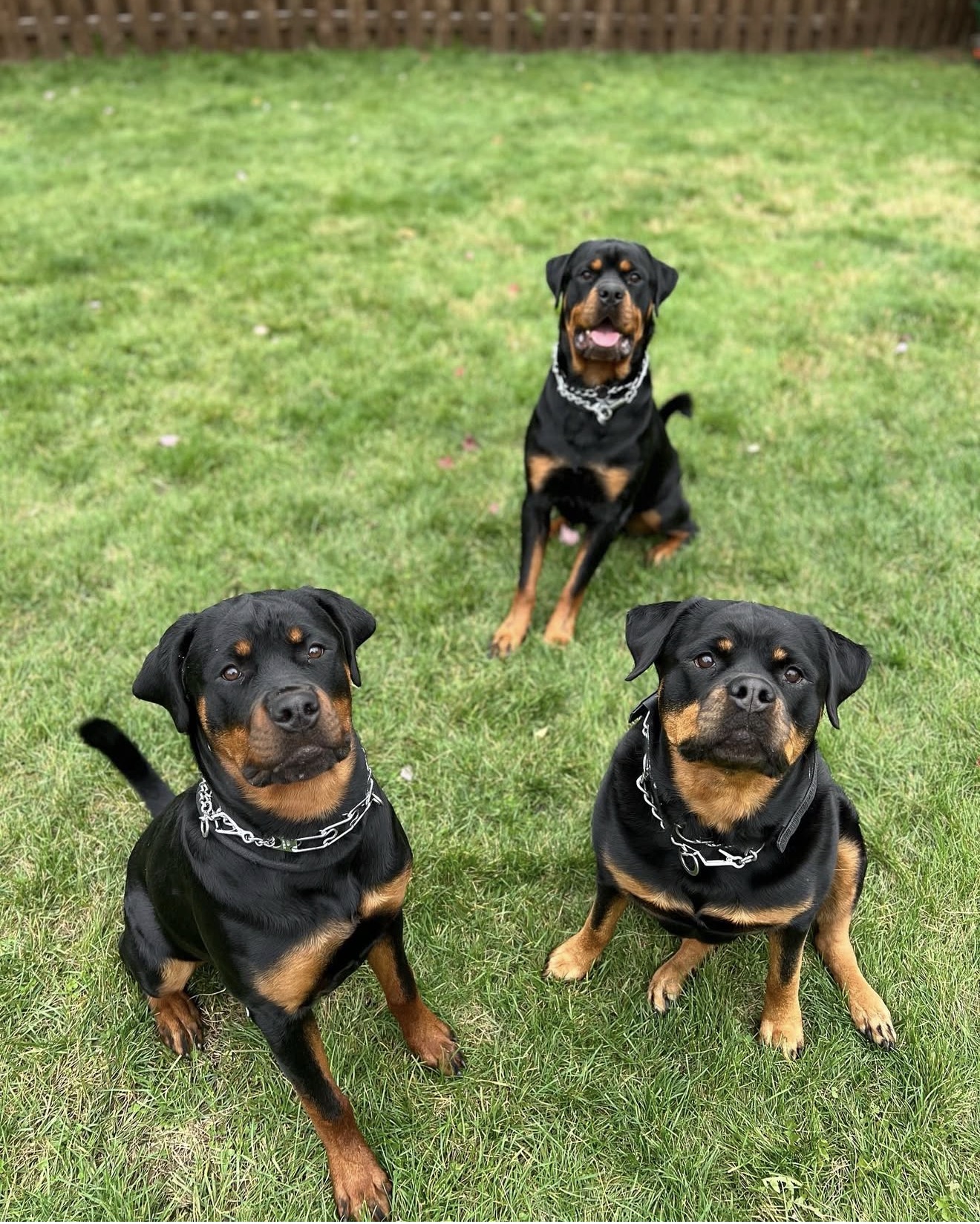
Understanding Dog Body Language: What Your Dog Is Really Telling You
Understanding Dog Body Language: What Your Dog Is Really Telling You
Your dog is talking to you constantly. Every tail wag, ear position, and body posture communicates something important about how they're feeling and what they need. The challenge? Most dog owners don't speak the language.
Learning to read dog body language is one of the most valuable skills you can develop as a dog owner. It helps you recognize when your dog is stressed before they react, understand what they enjoy versus tolerate, prevent conflicts with other dogs, and deepen your bond through better communication.
At Dog Jitsu Training, we teach body language awareness in all our programs—from group classes where dogs interact to in-home private lessons where we help you understand your specific dog's signals. Here's your comprehensive guide to what your dog is really telling you.
The Whole Dog Picture: Context Matters
Before diving into specific signals, understand this critical principle: never interpret a single body part in isolation. A wagging tail doesn't always mean happiness, just like a yawn doesn't always mean tiredness.
You must look at the whole dog and the context. Is the tail wagging with a loose, wiggly body or a stiff, tense one? Is that yawn accompanied by relaxed eyes or whale eye (showing the whites)? What's happening in the environment that might be triggering this response?
Body language exists on a spectrum from calm and relaxed to stressed and reactive. Your job is to notice the subtle early signals before your dog escalates to more obvious stress responses or defensive behaviors.
Relaxed and Happy: The Baseline
When your dog is truly relaxed and content, their whole body shows it. This is the baseline you want to recognize so you can identify deviations.
A relaxed dog has a soft, loose body with natural weight distribution on all four paws. Their mouth is often slightly open in a relaxed pant or closed with a soft expression. Eyes appear almond-shaped with soft lids, not hard or staring. Ears are in a neutral position (which varies by breed—floppy-eared dogs look different from prick-eared dogs, but you'll learn your dog's neutral).
The tail hangs naturally or wags in broad, sweeping motions. When a relaxed dog wags, you'll often see their whole rear end wiggle—this is called the "whole body wag" and it's a clear sign of genuine happiness.
Movement is fluid and bouncy. A happy dog moves with loose, easy strides. They might offer play bows (front end down, rear up), soft play barks, or bring you toys. This is your dog saying "Life is good, let's interact!"
Stress and Anxiety: The Early Warning System
This is where most owners miss critical signals. Dogs show stress long before they growl, snap, or flee—but these early signals are subtle and often misinterpreted.
Calming Signals are behaviors dogs use to communicate discomfort and attempt to de-escalate tension. Norwegian dog trainer Turid Rugaas identified dozens of these signals, including:
Lip licking when no food is present, yawning when not tired, turning the head or entire body away, sniffing the ground suddenly (displacement sniffing), moving in a curve rather than approaching directly, blinking or squinting eyes, and freezing or moving in slow motion.
When you see these signals, your dog is saying "I'm uncomfortable with this situation." They might be trying to calm themselves, communicate to another dog, or signal to you that they need space or a change.
Physical Stress Indicators include:
Tense, stiff body posture with weight shifted backward or forward onto the front legs. Closed mouth or panting despite not being hot or exercised. Ears pinned back against the head or rotating frequently to monitor the environment. Tail tucked between legs or held low and stiff. Whale eye—when your dog turns their head away but keeps their eyes on the trigger, showing the whites.
Excessive shedding or dandruff appearing suddenly (stress literally makes dogs shed more). Sweaty paw prints on smooth floors (dogs sweat through their paws). Shaking off as if wet when they're dry (a reset behavior after stressful moments).
Why This Matters: When you recognize early stress signals, you can remove your dog from the situation before they feel the need to escalate to growling or snapping. This is especially crucial during training, interactions with children, or socialization with other dogs.
In our group classes at Dog Jitsu Training, we constantly monitor body language to ensure all dogs are comfortable. When we see stress signals, we create more space, reduce pressure, or change the activity. This prevents negative experiences that could create lasting fear or anxiety.
Fear: Understanding the Spectrum
Fear manifests across a spectrum from mild concern to panic, and the body language escalates accordingly.
Mild Concern shows as hypervigilance—ears forward and swiveling, body slightly tense, reluctance to approach something novel. Your dog might approach a few steps, retreat, approach again. This is healthy caution, and dogs should be allowed to investigate at their own pace without being forced or reassured excessively (which can reinforce fear).
Moderate Fear includes more obvious avoidance. The dog tries to increase distance from the trigger—backing up, hiding behind you, pulling on leash to leave. Body is low, tail tucked, ears back. They might tremble or have dilated pupils.
Severe Fear or Panic looks dramatic. The dog freezes completely (shut down), frantically tries to escape, loses bladder control, or may snap/bite if cornered and unable to flee. Some dogs will completely panic, seemingly blind to their environment as they try to get away.
A critical concept: fear-based aggression. Many bites come from fearful dogs who've been pushed past their tolerance. A dog showing fear signals who cannot escape may feel forced to use aggression to create distance. The body language before a fear-based bite often includes avoidance signals, a stiff freeze, then a quick snap.
If your dog shows fear responses to specific triggers—strangers, other dogs, loud noises—this needs professional intervention. Our in-home private lessons allow us to work with your dog in their environment and create a customized desensitization plan. Forcing fearful dogs into situations only makes fear worse.
Aggression and Defensive Postures
Aggressive body language exists to create distance and communicate "back off." Understanding these signals prevents bites and helps you manage situations safely.
Offensive Aggression (confident, forward-moving): Body leaning forward with weight on front legs. Tail held high and stiff, possibly wagging in short, fast movements (not a friendly wag). Ears forward and alert. Direct, hard stare. Hackles raised along the back and shoulders. Mouth closed or showing teeth, possibly with a wrinkled muzzle. Growling or barking with a threatening tone.
This dog is saying "I'm in charge here and I will enforce my space." They feel confident enough to move toward a perceived threat.
Defensive Aggression (fearful, but trapped): Body lowered or leaning backward. Tail tucked but may bristle. Ears pinned back flat. Showing teeth while the corners of the mouth pull back (fear grimace versus offensive snarl). Growling or barking while backing up or staying in place.
This dog is saying "I'm scared and I don't want trouble, but I will defend myself if you come closer." This is often more dangerous because the dog is unpredictable and may bite out of fear.
Important: Growling is communication, not bad behavior. A dog who growls is telling you they're uncomfortable—that's valuable information. Punishing growling doesn't fix the underlying issue; it just teaches the dog to skip the warning and go straight to biting.
If your dog shows aggression toward people, other dogs, or in specific situations, seek professional help immediately. This is not a DIY situation. Our training programs can assess the triggers and work on behavior modification, but aggression requires professional expertise to address safely.
Play Behavior: Rough But Friendly
Play can look surprisingly intense, and many owners worry their dog is being aggressive when they're actually having a great time. Learning to distinguish play from conflict is essential, especially in group settings.
Healthy Play Signals: Play bows—front legs extended, rear end up, often with a bouncy energy. This is the universal dog invitation to play. Role reversals—dogs take turns chasing and being chased, being on top and bottom during wrestling. Self-handicapping—larger or more confident dogs will play gently with smaller or timid dogs, lying down to be less intimidating.
Loose, bouncy movements even during rough wrestling. Mouths open in play with soft bites, not hard clamping. Brief pauses where both dogs shake off, then reengage by mutual choice. Both dogs keep coming back for more—neither is trying to escape or hide.
Play That's Becoming Too Intense: One dog constantly trying to escape or hide while the other pursues relentlessly. Stiff body postures, hard stares, or sustained mounting. Yelping or cries that don't pause the play. Hackles up without playful body language to balance it. One dog looking to their owner for help.
In our group classes, we carefully monitor play sessions and interrupt when energy gets too high or one dog is overwhelmed. Teaching owners to recognize these signals allows them to advocate for their dogs and ensure positive social experiences.
Arousal Versus Aggression
A crucial distinction many owners miss: high arousal (excitement) is not the same as aggression, but it can quickly tip into conflict if not managed.
Aroused dogs are overstimulated and wound up. Their body language includes: Fast, intense movements. Jumping, spinning, or racing around. Mouthing or grabbing at leash, hands, or other dogs more roughly than usual. Barking or vocalizing excitedly. Inability to focus or settle.
This might happen at the park when your dog is overwhelmed by playing with too many dogs, during greeting when visitors arrive, or when you pull out the leash for a walk.
The danger: arousal lowers impulse control and can escalate into frustration-based reactivity or overwhelmed aggression. Two dogs playing can tip into a scuffle if arousal gets too high and neither can regulate.
Management strategy: Recognize when arousal is building and interrupt before it peaks. Call your dog away for a brief calm period, reduce the intensity of the activity, or end the session entirely. Teaching your dog to settle from excitement is a critical life skill.
Reading Your Specific Dog
While the signals above are universal, every dog has individual quirks and breed-specific variations. Tail carriage varies by breed—a Husky's tail naturally curls up, a Greyhound's hangs low, and a Bulldog has barely any tail at all. You need to know your dog's neutral baseline to recognize changes.
Some dogs are naturally more expressive than others. Some show stress through big, obvious signals while others are subtle. Your job is to become an expert on your individual dog's communication style.
Keep a mental catalog: What does my dog look like when truly relaxed? What are their first stress signals? What situations consistently trigger anxiety? How do they ask for play versus attention versus being left alone?
This individualized understanding is exactly what we build in our in-home private lessons. We observe your dog in their environment and help you recognize their specific patterns and triggers.
Practical Applications
At the Vet: Many dogs show stress at the vet through lip licking, yawning, trembling, or trying to leave. Recognize these signals and advocate for your dog—ask for breaks, bring high-value treats, or request a different handling approach if your dog is panicking.
Meeting New Dogs: Before allowing dogs to greet, look at both dogs' body language. Are they both loose and wiggly, or is one stiff and uncomfortable? A tense greeting can quickly turn into conflict. Create space if either dog shows stress signals.
Around Children: Kids often miss canine stress signals and continue interacting even when dogs are uncomfortable. Adults must supervise and recognize when the dog is saying "I need a break"—lip licking, yawning, turning away, trying to leave. Remove the dog before they feel forced to growl or snap.
During Training: If your dog suddenly can't perform behaviors they know, check for stress signals. They may be overwhelmed, distracted, or uncomfortable. Reduce difficulty, change locations, or end the session positively.
Building Your Observation Skills
Start paying attention deliberately. Watch your dog during different daily situations and note what you see. What's their body language when you pick up the leash? When a stranger approaches? When they play with their favorite dog friend?
Watch other dogs at the park, on walks, or in videos. The more you observe, the faster you'll recognize patterns. Look for the subtle signals before the obvious ones—most people only notice growling or barking, missing the ten stress signals that came first.
Our group classes provide excellent real-world observation opportunities. You'll watch multiple dogs interact while learning to identify body language in real-time with professional guidance.
When Professional Help Is Essential
If your dog shows frequent stress signals in everyday situations, displays fear or aggression toward people or dogs, or has had a bite incident, professional assessment is critical. These issues require customized behavior modification plans, not generic advice.
Our in-home private lessons allow for thorough behavioral assessment in your dog's environment. We identify triggers, evaluate severity, and create safe, systematic plans to address the underlying issues.
For dogs with serious aggression or severe fear, we may recommend working with a veterinary behaviorist in addition to training. Some behavior issues have medical components or require both medication and behavior modification.
The Language of Connection
Understanding dog body language isn't just about preventing problems—it's about deepening your relationship. When you truly see what your dog is communicating, you can respond appropriately to their needs, advocate for them in uncomfortable situations, and build trust through consistent, appropriate responses to their signals.
Your dog is already speaking to you clearly. Now you have the knowledge to listen and respond. Pay attention, practice observation, and remember that learning this language is an ongoing process. The more you watch and learn, the more fluent you'll become in understanding what your dog is really telling you.


