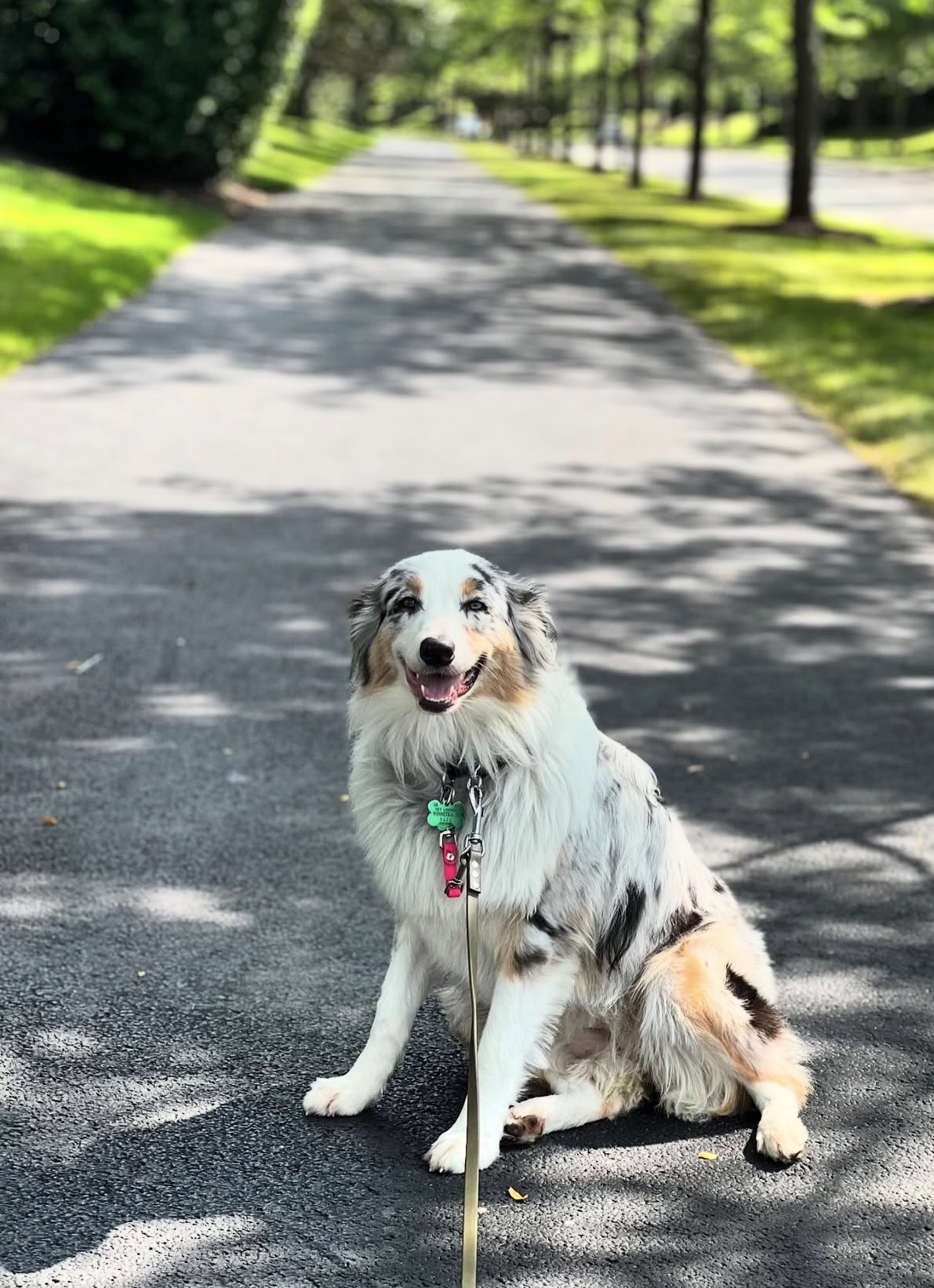
Learn how to stop your dog from pulling on the leash with proven techniques from professional dog trainers. Step-by-step guide for loose leash walking with any dog, any size.
How to Stop Your Dog from Pulling on the Leash: A Professional Trainer's Guide
Does your daily walk feel more like being dragged by a sled dog than a peaceful stroll? You're not alone. Leash pulling is one of the most common complaints we hear from dog owners, and the good news is that it's completely fixable with the right approach.
Why Do Dogs Pull on the Leash?
Dogs pull for one simple reason: it works. When your dog pulls toward something interesting and you follow along, they've just learned that pulling gets them where they want to go. Dogs also naturally walk faster than humans, and the leash creates opposition reflex—when they feel pressure, their instinct is to push against it.
Understanding this helps you realize your dog isn't being stubborn or dominant. They're just doing what's been reinforced, often unintentionally.
7 Steps to Loose Leash Walking
1. Start With the Right Equipment
A standard 6-foot leash and a properly fitted collar, flat buckle or martingale, and harness for younger puppies, are your foundation. Avoid retractable leashes—they actually teach pulling by providing constant tension.
2. Be a Tree
This is your most powerful tool. The moment your dog pulls, stop walking immediately. Don't move forward until the leash has slack. Your dog will quickly learn that pulling makes the walk stop, not start. Consistency is everything here—every single time they pull, you stop. Start inside your home before adventuring outside. If the distractions are too difficult, you are less likely to be successful.
3. Reward the Behavior You Want
The second your dog looks back at you or the leash goes slack, praise them and start moving again. Use treats frequently in the beginning. Every few steps of loose leash walking deserves a reward. You're building a new habit, and dogs repeat behaviors that are rewarded.
4. Change Direction Frequently
If your dog starts to pull, turn and walk the opposite direction. This keeps your dog paying attention to you rather than just charging ahead. It also reinforces that you're the one who decides where the walk goes.
5. Practice the "Check-In"
Teach your dog to look at you periodically during walks. Say their name, and when they make eye contact, reward immediately. This builds engagement and prevents your dog from getting so focused on the environment that they forget you exist.
6. Make Yourself More Interesting Than the Environment
Bring high-value treats on walks, especially in the beginning. Change your pace randomly—speed up, slow down, stop. Use an upbeat voice. The more unpredictable and rewarding you are, the more your dog will focus on you instead of pulling ahead.
7. Practice in Low-Distraction Areas First
Don't expect perfect leash walking on a busy sidewalk if you haven't practiced in your backyard or a quiet parking lot first. Build the skill where it's easy, then gradually increase distractions as your dog improves.
Common Mistakes to Avoid
Letting them pull "just this once" - Every time you allow pulling to work, you set your training back. Consistency is critical.
Using the leash to correct constantly - Yanking or jerking the leash creates stress. If you're not sure what you're doing with the leash, it makes your dog confused. You need to change your training scenario to challenge your dog, but still be successful.
Expecting too much too soon - Loose leash walking takes time, especially if your dog has been pulling for months or years in the same areas of your neighborhood. Be patient and celebrate small wins.
Only practicing on "real" walks - Dedicated 5-10 minute training sessions in your driveway or backyard will accelerate progress much faster than trying to train while also getting exercise.
When to Get Professional Help
If you've been working on leash walking for several weeks without improvement, or if your dog is reactive or aggressive toward other dogs or people on walks, it's time to bring in a professional. Large, strong dogs that pull can also be safety concerns that require expert guidance.
Some dogs have leash pulling so deeply ingrained that they need a structured training program to break the habit. Others may have underlying anxiety or excitement issues that a professional can identify and address.
Let Us Help You Enjoy Walks Again
At Dog Jitsu Training, we specialize in solving leash pulling problems through our private lessons and group obedience classes. We work with dogs of all sizes, breeds, and ages—from energetic puppies to senior dogs who've been pulling for years.
Our trainer will create a customized plan for your specific situation, whether your dog is mildly enthusiastic or completely unmanageable on leash. We'll teach you the techniques that work and help you troubleshoot challenges in real-world environments.
Ready to stop being dragged and start enjoying your walks? Contact us today to schedule your first session. We serve the Northwest Chicago Suburbs and offer both in-home private lessons, group classes and board & train programs at our training facility.
Have questions about leash training or other behavior issues? We're here to help. Reach out anytime at (224) 458-2578.


